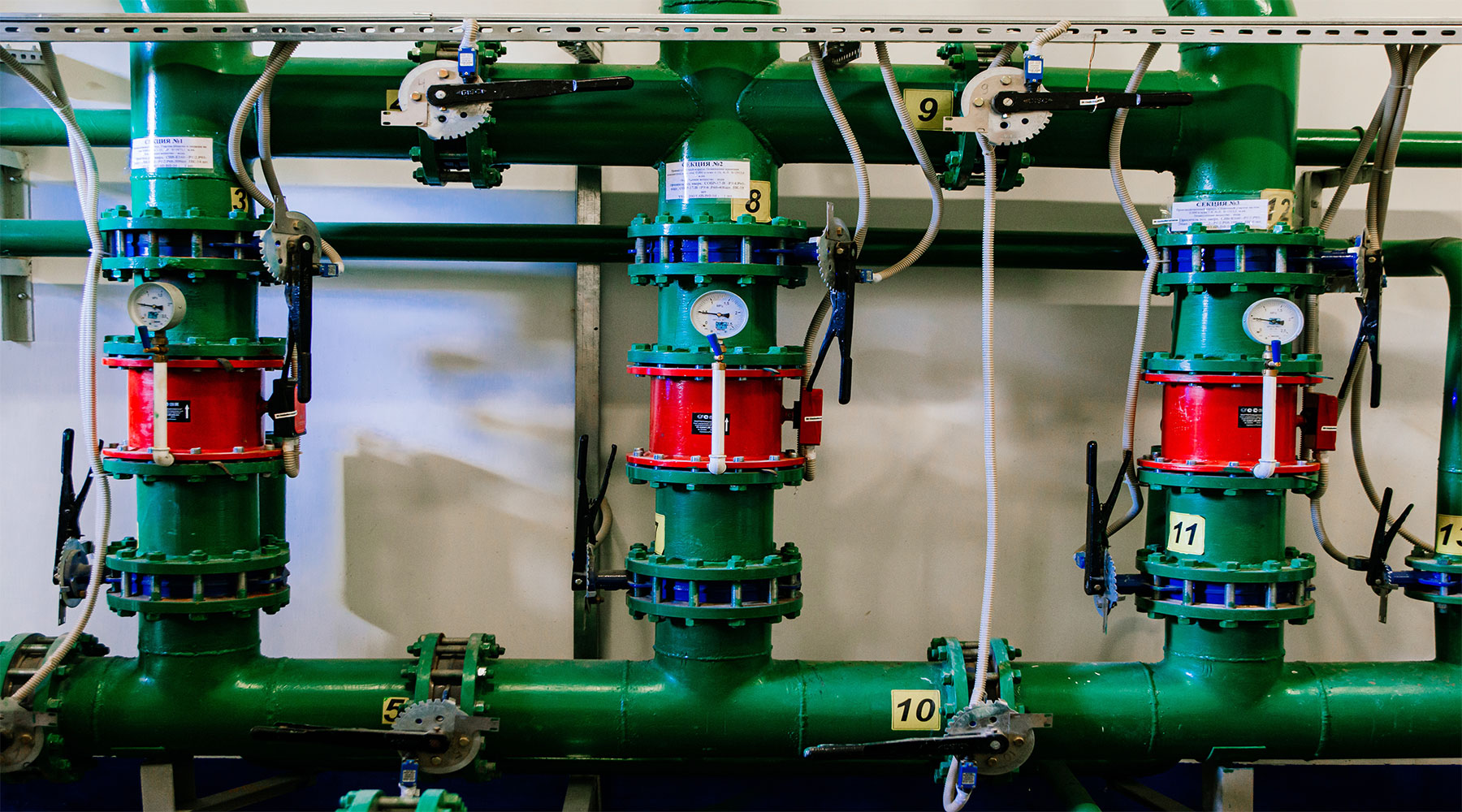
We start with a full visual review of the pump, controller, piping, gauges, valves, and relief devices to identify corrosion, leaks, wear, or alignment issues before testing begins.
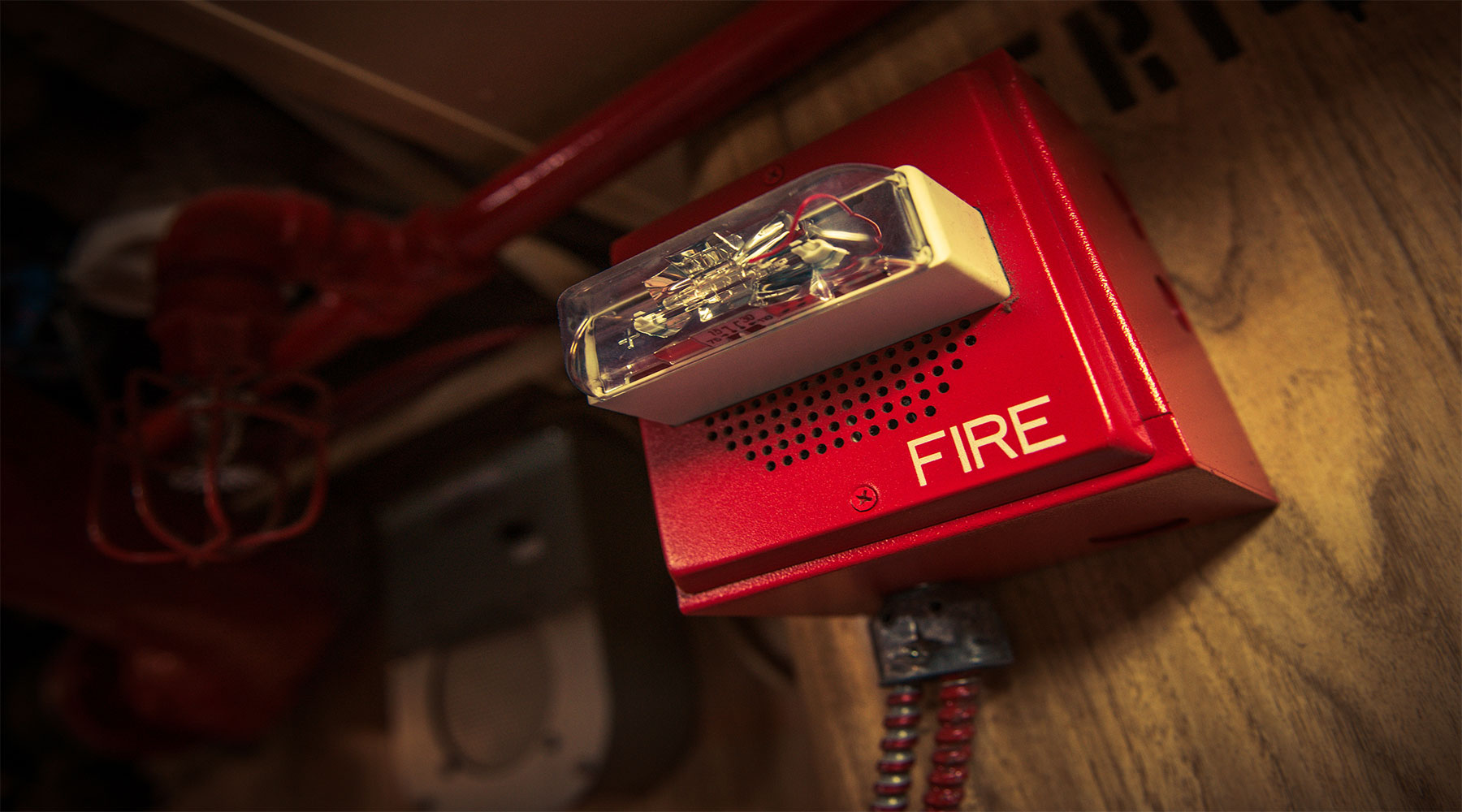
We verify the operation of electrical panels, wiring, and transfer switches. For diesel pumps, we inspect the engine, fuel system, and exhaust to ensure reliable emergency startup.
We conduct flow testing at churn, 100%, and 150% capacity with calibrated instruments. This confirms the pump delivers correct pressure, while monitoring for vibration or cavitation.
We compare suction and discharge pressures to confirm proper water supply and pump performance. Irregular readings help us uncover blockages, supply restrictions, or impeller issues.
We simulate emergency start conditions and verify that automatic start, shutdown, alarms, and signal responses work correctly for both electric and diesel-driven pump systems.
After testing, we provide a full NFPA-compliant report with pressure data, flow curves, and findings. We outline needed maintenance, repairs, and code-compliance steps to ensure reliable operation.